


RALEIGH, N.C. (CN) - One of the most powerful people in North Carolina politics conceded his race Tuesday.
North Carolina Senate President Pro Tempore Phil Berger was unseated by a sheriff running against him in the Republican primary after more than 25 years in the state Senate.
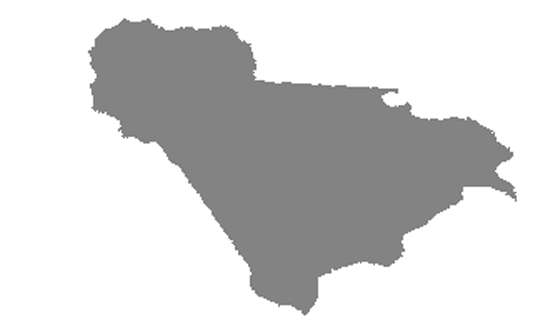
Sam Page, who has served nearly three decades as sheriff in Rockingham County - an area outside of Greensboro, North Carolina - won the Republican primary in Senate District 26, defeating Berger in a very close race. After unofficial election night results left Berger trailing Page by two votes, two recounts upheld a 23-vote loss. The results have yet to be officially certified.
"Over the past 15 years, Republicans in the General Assembly have fundamentally redefined our state's outlook and reputation. It has been an honor to play a role in that transformation," Berger said in his concession statement, congratulating Page on his win.
"Looking ahead, I remain committed to working with my colleagues in the short session to ensure North Carolina continues to be the best state in the nation in which to live, work, raise a family and retire," Berger continued. "In the months ahead, I will also do everything I can to support all Republican Senate candidates and protect our supermajority."
Election officials in the two counties in the Senate race completed a partial hand recount of the race Tuesday, after a full machine recount the week prior rendered no change in the election results.
Berger is expected to serve out the remainder of his term in the state Senate.
In a statement, Page called the campaign "hard-fought" and thanked the voters for electing him.
"I appreciate Senator Berger's call earlier today and his concession," he said. "I'm grateful for his years of service to our state, and I thank him for wishing me the best moving forward."
Page will run against a Democrat in the general election, a race he is expected to win in a Republican-leaning district.
Berger was elected to the state Senate in 2000 and elected as minority leader four years later. Republicans reclaimed the majority in the state Senate in 2010, and Berger was elected Senate president pro tempore. He has held onto that position since 2011.
Senate Republicans now must choose a new leader to fill the power vacuum. Page isn't expected to be selected to fill Berger's role as president pro tempore.
Berger drastically outspent Page in the race, with his campaign bringing in $2.4 million by the end of 2025, and thousands more in additional spending entering the race in the last few weeks. Page had only brought in a little over $45,000 by the end of last year.
Including outside spending, Republicans may have funneled nearly $10 million into the race to try and keep Berger in office, local publication The Assembly reported.
Berger secured an endorsement from President Donald Trump after North Carolina redrew its congressional map following Trump's call for redistricting. Berger helped the Republican party "deliver massive and historic victories across the state," Trump said in his post on Truth Social, where he also called Page "GREAT" but urged him to work in D.C. rather than challenge Berger.
Disputes between Berger and state Speaker of the House Destin Hall led to the Republican-controlled General Assembly not passing a comprehensive budget in 2025. Lawmakers aren't expected to return to handle the matter until April, and some lawmakers say issues such as public safety can't be properly addressed until the state passes a fiscal plan. However, Republican leaders couldn't agree on tax policy and the funding of a children's hospital, which led to a stalemate.
Page has campaigned on several decisions made during Berger's time in office, telling voters he would handle things differently. He said he supports the repeal of a public records exemption that was passed by the General Assembly in 2023, shielding lawmakers from records requests.
"North Carolinians deserve to know what their elected officials are doing behind closed doors," Page said on his campaign website, also endorsing term limits for leadership in the legislature. He added that he plans to introduce legislation eliminating taxes on overtime pay and tips, supports "commonsense guardrails" in school choice and wants to prevent private schools from inflating tuition costs when receiving vouchers.
In his campaign, Berger emphasized the creation of the school choice program, enactment of voter ID and efforts to expand parental oversight in public schools during his time in office. He also worked to require local law enforcement to cooperate with U.S. Immigration and Customs Enforcement agents to carry out deportations, and was attempting to expand concealed carry access to be permitless.
Berger wanted to address the "rising crime epidemic," and increase safety in cities.
North Carolina gained national attention after 23-year-old Ukrainian refugee Iryna Zarutska was stabbed to death on a commuter train in Charlotte. Trump spotlighted her during his State of the Union address, assuring her mother that justice will be secured. State authorities charged Decarlos Dejuan Brown Jr. with first-degree murder while federal prosecutors charged him with committing an act causing death on a mass transportation system.
During Berger's tenure, the General Assembly passed Iryna's Law, tightening pretrial release standards a month after Zarutska's death.
Source: Courthouse News Service