

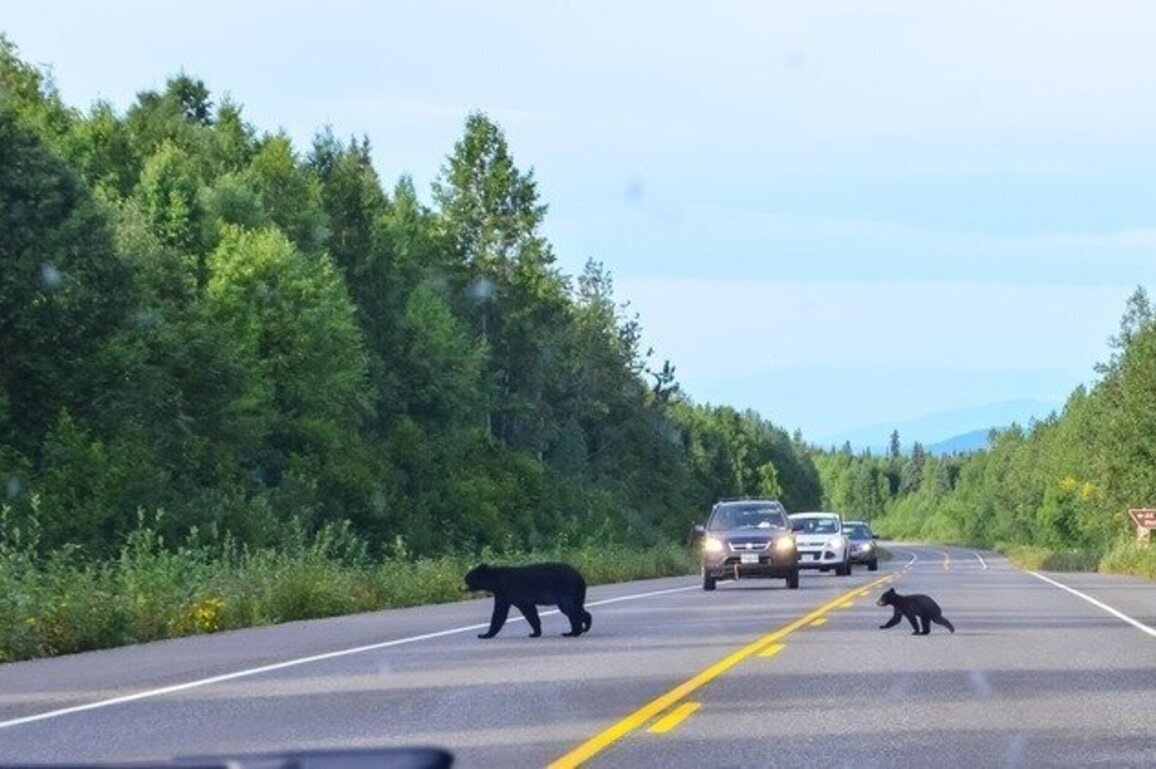
North Carolina faces a high number of wildlife-vehicle collisions compared to other states and safety advocates are calling on Congress to make a wildlife crossings pilot program permanent and increase funding.
Wildlife collisions cost motorists in the U.S. more than $10 billion each year. Wildlife crossings use underpasses, overpasses and fencing around collision hot spots to lessen the chance of a crash. Unless lawmakers take action, funds from the Biden-era bipartisan Infrastructure Law that support new wildlife crossings will run out at the end of the year.
Jeff Hunter, southern Appalachian director for the National Parks Conservation Association, argued the corridors protect both people and the environment.
"Wildlife corridors are critical. More than 200 people are killed every year in wildlife-vehicle collisions here in the United States," Hunter reported. "The flip side of that coin is wildlife conservation. Because we’re taking lots and lots of animals out of these populations, and if we want wildlife to persist in this country, we need to facilitate their ability to safely cross roadways."
According to the North Carolina Alliance for Safe Transportation, more than 60,000 animals were killed in vehicle collisions in the state between 2020 and 2022.
State Farm Insurance ranks North Carolina as a high-risk state for wildlife vehicle collisions. The state had nearly 100,000 claims involving wildlife collisions, the third highest number in the country.
Manley Fuller, vice president of conservation policy for the North Carolina Wildlife Federation, hopes to see a greater effort to protect wildlife and motorists across the Tar Heel State.
"We want to see these programs grow and normalize as a regular part of how we do our highway transportation in North Carolina and across the country," Fuller emphasized.
Last year, a bipartisan group of senators and representatives introduced legislation to reauthorize funds for the program.
Source: Public News Service