


RALEIGH, N.C. (CN) - A federal judge on Monday shot down a First Amendment lawsuit by a North Carolina woman after she posted a photo of her voting and was instructed to take it down or face prosecution.
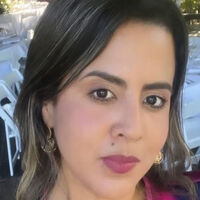
Susan Hogarth filed suit in 2024, after posting a selfie of herself on X holding up her ballot while voting in the Libertarian primary. The state board of elections contacted her and asked her to take the post down, notifying her it was a Class 1 misdemeanor.
She sued, claiming the state's laws prohibiting ballot photography violate the First Amendment. When she returned to the polls in November 2024 - armed with a court order allowing her alone to take pictures of her ballot - she was instructed by polling place staff to stop taking photos and delete them - before staff called the state elections board to confirm she had an exemption.
U.S. District Judge Louise Flanagan, a George W. Bush nominee, disagreed that the First Amendment extends to ballot photography in a summary judgment order Monday.
Flanagan found in favor of the defendants, who included members of the state and Raleigh board of elections, along with Raleigh District Attorney Lorrin Freeman.
Polling places are a nonpublic forum, Flanagan said in her 15-page order dismissing the case, and are held to a more lenient standard in First Amendment challenges. The government is allowed to have content-based restrictions on speech as long as they are reasonable restrictions, and not because public officials oppose the speaker's view.
The statutes Hogarth challenged do not discriminate based on viewpoint, Flanagan wrote, and banning photographs prevents voters being paid or coerced to vote a certain way.
"This prohibition prevents the use of the voted ballot or a person in a voting booth as proof of compliance in a vote-buying scheme, and protects voters from compulsion to disclose photographs of their ballot or themselves to ensure submission to a would-be vote intimidator's demands," she wrote. "Defendants' interests in preventing bribed and forced votes are connected to maintaining the integrity of the voting booth."
The defendants' goal to maintain order in polling places satisfies strict scrutiny, she said, a standard of review that requires the government to prove a law is narrowly tailored and furthers a compelling government interest. The statutes are reasonable, she said, and only limit "minimal expressive activity."
"Common sense and logic support the proposition that photographs of voted ballots or voters, taken within voting booths, create opportunities for abuse through vote buying and coercion, because the briber or intimidator could demand a photograph to ensure compliance with the bribe or threat, or the practice could instill fear in others that such a demand could be made," Flanagan wrote.
Hogarth's case had previously survived a motion to dismiss, after Flanagan found Hogarth had demonstrated she would likely be referred for prosecution over photographing her ballot in the future, and had successfully argued potential harm. When the parties argued before Flanagan in October 2024, the judge didn't appear wholly convinced that voters should be able to take ballot selfies, weighing privacy issues for other voters and the impact of looser photo restrictions on the polling process.
Hogarth told Courthouse News at the hearing she feels the photographed ballot is proof she stands behind politicians she vocally supports. "I'd like people to be able to express themselves in a way they want," she said.
In her suit, Hogarth said she takes ballot selfies to encourage civil participation. She wanted to show voters they can support third-party candidates and that she's proud to vote, she said.
Representatives for the state elections board contended the challenged laws have existed for decades and are intended to prevent vote buying, voter intimidation, delays and distractions at polling places and to maintain other voters' privacy.
North Carolina is one of 14 states that bans photographing a "voted official ballot" or voters without the permission of election officials. These restrictions extend to absentee ballots; a voter cannot take a picture of their completed ballot, even if they are voting from home. There are no exceptions if someone photographs their own ballot.
The state also disallows taking pictures of voters in the voting room without permission from an election official, even taking a picture of oneself. Only political candidates are excluded from this restriction.
Representatives for members of the state board of elections, the Raleigh elections board and District Attorney Lorrin Freeman did not immediately reply to a request for comment.
Source: Courthouse News Service