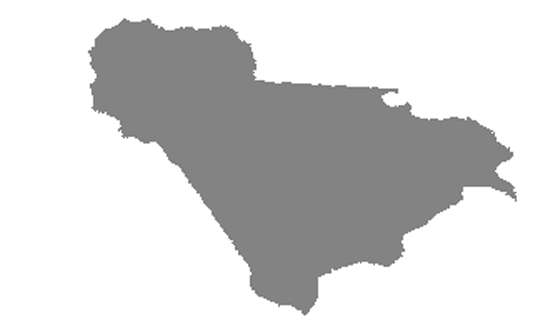



ASHEVILLE, N.C. - Common Cause sued a North Carolina county board of elections in federal court Wednesday, claiming the state's legislature passed discriminatory measures to impose new electoral districts.
North Carolina's General Assembly passed a law in 2023 along party lines, changing the election districts for Watauga County's county commission. These new districts, Common Cause said in its suit, are unconstitutional, malapportioned and have large population deviations.
The county, located northeast of Asheville and Pigeon Forge, Tennessee, proposed an alternative plan in June 2024, placing a referendum on the ballot for the November 2024 election. Shortly after the alternative plan was produced, the legislature passed another law, preventing any referendum approved by Watauga County voters from taking effect until the 2034 elections and imposing the districts on the county's school board.
Results from the election show that the public supported the revised plan, with 71% of ballots in favor of it and a majority of voters supporting it in all 20 of the county's precincts. The legislature's restriction means that despite public support, the county's changes to the electoral districts will not go into effect.
The new districts violate the Equal Protection Clause of the 14th Amendment and the referenda prohibition burdens plaintiffs' right to vote, discriminates against them based on their viewpoint, and amounts to unconstitutional retaliation, the plaintiffs, who also include a voting rights task force and residents, said in their complaint.
"There's no doubt that politicians in Raleigh violated the law, ignored the will of voters, and trampled on the rights of Watauga County residents," said Bob Phillips, executive director of Common Cause North Carolina, in a statement. "We're proud to stand with the people of Watauga County as they stand up to protect their freedom to vote against the legislature's unconstitutional actions."
The bill established electoral districts for the commission races. Previously, members had to live in residency districts and were all elected in countywide elections. Now, one member is elected from each district.
The new districts have significant population deviations, plaintiffs say, and do not adhere closely to traditional redistricting criteria. Instead, the General Assembly used "illegitimate reapportionment factors" while designing the districts, they claimed, causing districts to have unusual shapes and unnecessarily splitting others.
"The improper predominance of geographic favoritism resulted from legislators' desire to strengthen the value of rural votes at the expense of diluting urban votes," plaintiffs said, adding that partisanship, geographic favoritism and a desire to disfavor college students were prioritized over traditional redistricting criteria.
"The plan dilutes the votes of Democratic voters by systematically overpopulating the districts in which Democrats have the opportunity to elect their candidates of choice and systematically underpopulating the districts in which Republicans have the opportunity to elect their candidates of choice," the plaintiffs said.
The referendum restriction "singled out" Watauga County voters in violation of the 14th Amendment, the plaintiffs said, as no other county has been limited in the same manner. The ban retaliates against them in violation of the First Amendment, they argued, labeling the lawmakers' actions as viewpoint discrimination.
"Senate Bill 912, Sec. 2 infringes on the First Amendment right to cast a vote effectively for voters with only one viewpoint - those who supported the 2024 referendum and/or would support similar referenda in the future," plaintiffs said.
"The General Assembly would not have passed Senate Bill 912, Sec. 2 but for its motivation to retaliate against plaintiffs and other Watauga County voters for their support for and advocacy in favor of the 2024 referendum," they added.
Plaintiff Ray Russell, a former Watauga County commissioner, said the lawsuit was filed to protect the mountain community from political overreach.
"Watauga County residents voted to adopt fair districts while rejecting the gerrymandered maps imposed on us by the legislature," he said.
The plaintiffs said they named the Watauga County Board of Elections and its members as defendants due to their direct roles in enforcing the laws being challenged.
Matthew Snyder, director of the Watauga County Board of Elections, declined to comment, citing pending litigation.
Source: Courthouse News Service